Sport is one of the largest unexamined institutions on earth: a global economy, a labor market, a health system and a political stage. It also tells us a great deal about who we are — what we reward, whose voice carries, where power sits and how communities respond when someone challenges the rules. SportsThought covers sport that way, primarily through people in conversation.
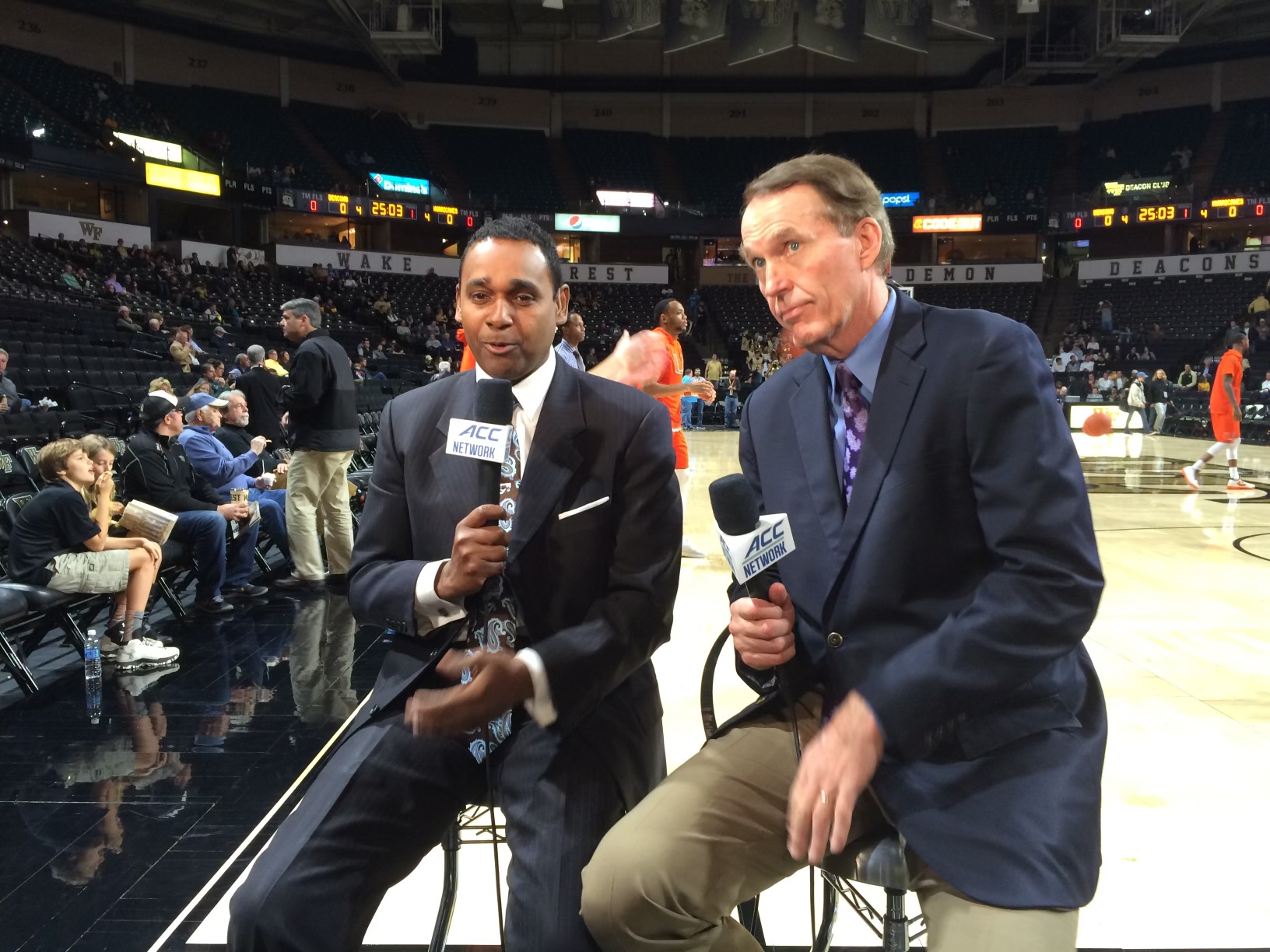
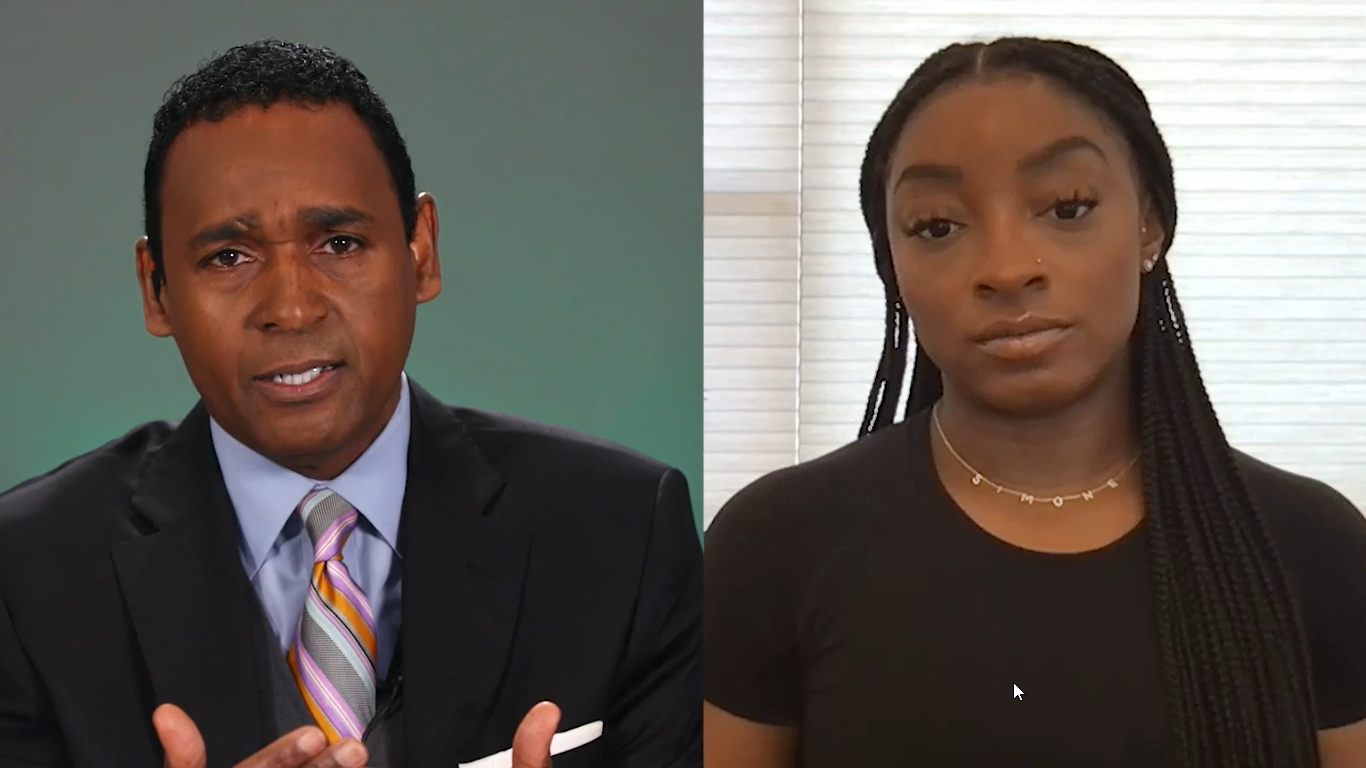
The program is interview-led by design. Reporting sets the table; the conversation is the meal. Dwayne Ballen's central asset is the unscripted long-form interview — the same skill proven in hour-long, one-on-one arena conversations before audiences of 15,000 to 20,000 — applied here to the commissioners, executives, athletes, regulators and investigators who actually move the institution.
The scope is deliberately broad — Olympic governance and the accountability of bodies like the IOC, the economics of athlete compensation, race and gender in who plays and who leads, brain injury and safeguarding, gambling and media consolidation, and the sports figures whose choices become part of politics, business, culture and public life.
The lens is visible in figures such as Billie Jean King, Muhammad Ali, Garry Kasparov, Jackie Robinson, Colin Kaepernick, Joey Cheek, Tommie Smith and John Carlos. Their stories differ profoundly, but each shows how a moment in sport can expose a larger question about equality, conscience, citizenship, power or human dignity. They are illustrative of the editorial territory, not announced guests or implied participants.
The posture is reportorial. Questions are asked directly and allegations are never made without evidence; where wrongdoing is unproven, the program says so and follows the record instead. No manufactured debate, no takes calibrated for clips — the thinking is the product.